Chapter 6: The Upper Room Inclusive Community
The Roman Catholic Women Priests in the United States
Supported by The National Geographic Society
The Roman Catholic Women Priests is a movement that is ordaining women as deacons, priests and bishops in a new model of inclusive priestly ministry within the Roman Catholic Church. They are claiming their spiritual authority to do so as equal images of God. They live primarily in the United States, but also in Canada, Latin America, Europe, and around the world.
The movement began with the ordination of seven women on the Danube River in 2002. Their membership numbers are 236 ordained deacons and priests and 19 bishops. All of the ordained have been automatically excommunicated by the Vatican, but that is not stopping them from serving their communities and responding to their call. They are challenging and transforming the notions of the traditional church, offering an approachable, actualized, and human view of an institution about which many people feel distant and distrustful.
The Upper Room Inclusive Community in Albany, New York, is a Roman Catholic community with 11 ordained women who are part of the Association of the Roman Catholic Women Priests. Some of them are former nuns who felt called to serve the Church in sacramental ministries that are still limited to male priests. They are basing their practices in ancient texts rooted in a Theology of Blessing rather than a Theology of Original Sin. They are exploring new ways to provide contemporary liturgies by removing patriarchal rituals and structures that are no longer relevant for today. As Bishop Bridget Mary Meehan usually says, “We are not leaving the church; We are leading it!”.
Mary Theresa Streck is a women priest from Albany, NY. She was a nun for eighteen years. She left the convent when she decided to marry Jay Murnane, a Catholic priest with whom she ministered for twenty-six years to the disenfranchised community in Troy, NY. Jay passed away in 2004.
Mary Theresa Streck in her home in Albany, New York.
The dragonfly is a symbol of transformation. It begins in water and transforms into a creature of the air. Like the butterfly, it is a symbol of resurrection. So when Jay was transitioning from life as we know it to life after life, we saw many dragonflies during that time, more than ever before. The dragonfly became for me a symbol of Jay’s resurrection/transformation to eternal life.
A whole new way of seeing theology made much sense to me, the theology of blessing, rather than a theology of sin. We are living the new story, not the old one. There is a different way of believing about God, Jesus, and the Holy Spirit. This theology isn't taught by the church. This theology makes much sense to people. It's a paradigm shift.
The traditional church sees God as a male, as "God, the father almighty". We would say in our community that the divine presence is neither male nor female but can also be expressed in feminine images .The Divine Presence is in us, around us, among us, and it is so much than we can ever imagine.
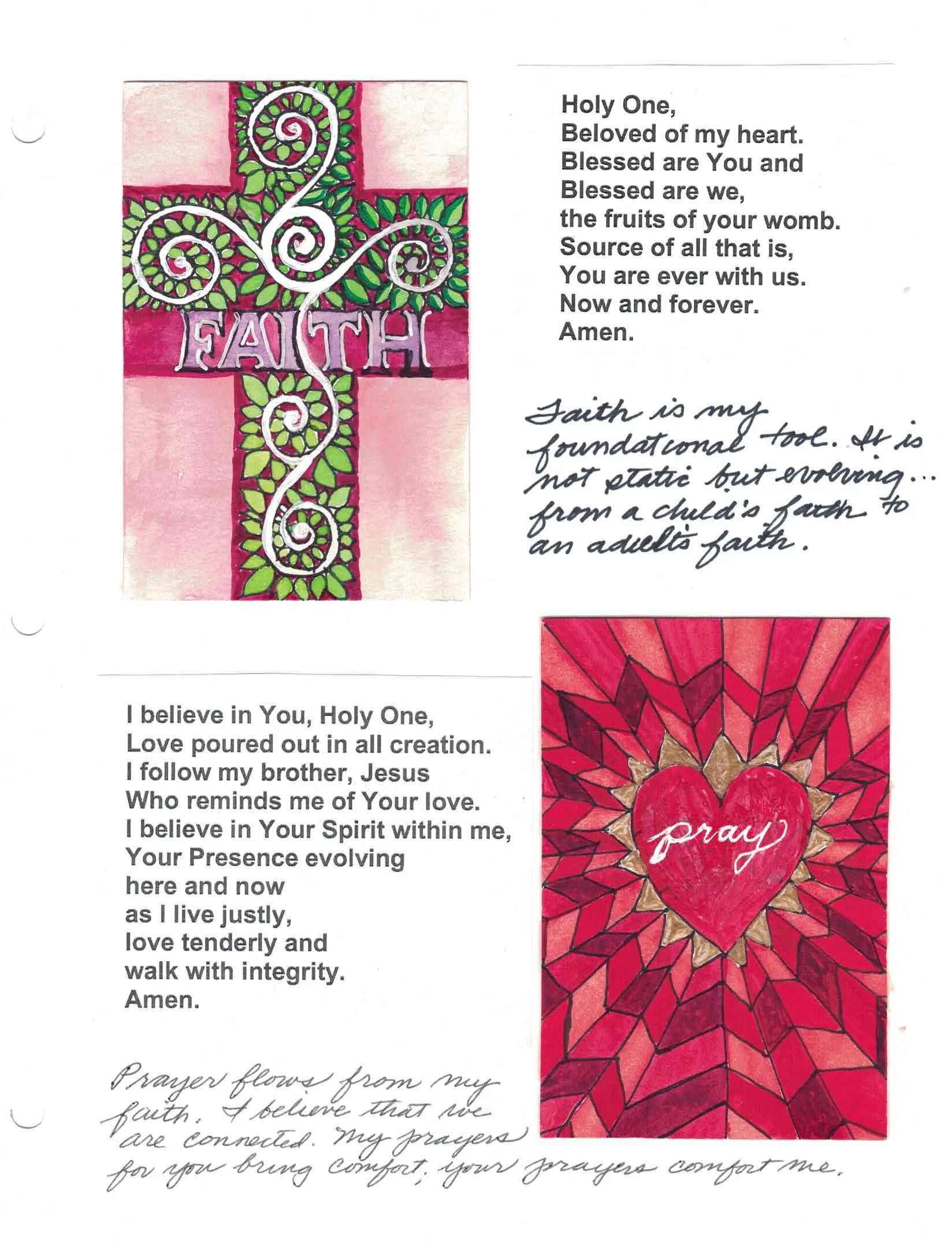
I would rather have my church that I belong to be the church it was meant to be, so that would involve some changes. Denise Hackert-Stoner is about to get ordained in a few days in Albany, New York.
The Upper Room Inclusive Community in Mary Theresa’s home, blessing lavender oils some days before Hackert-Stoner and Frances Corron ordination.
I sometimes don't even know how that happened. It seems like a miracle because when I was growing up that wasn't a possibility. There were only men priests. Julie Frances Corron some days before her ordination. Corron is Chaplain in a hospital and an editor for the Office of the New York State Comptroller. By being automatically excommunicated, women priests stop receiving the church's monetary support, if there were any.
What led me to the path to ordination was a call I first heard when I was a child. I didn't totally understand it then. In those days, the only religious vocation open to women was the convent and I knew instinctively that wasn't right for me.
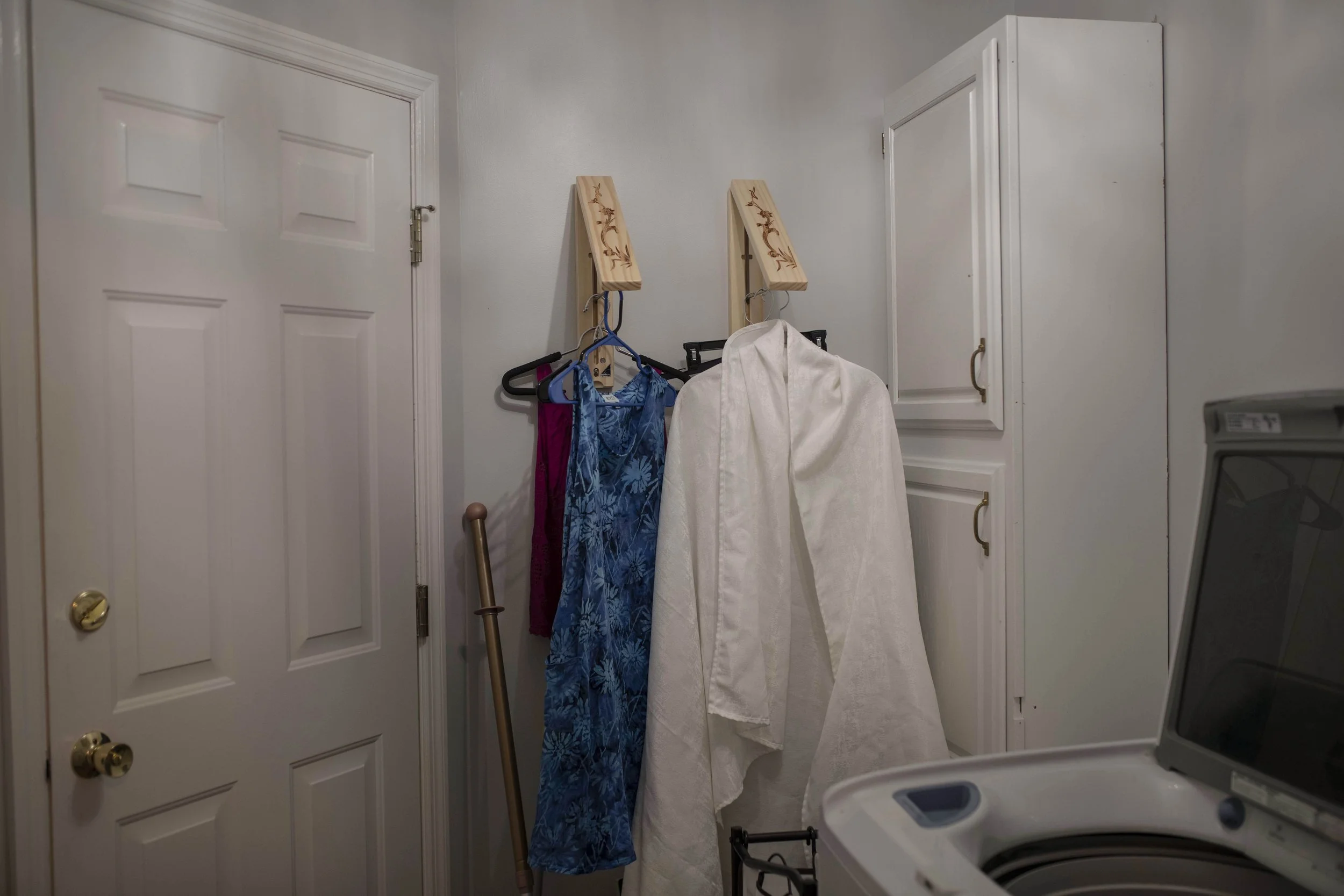
Garments in a priest's home.
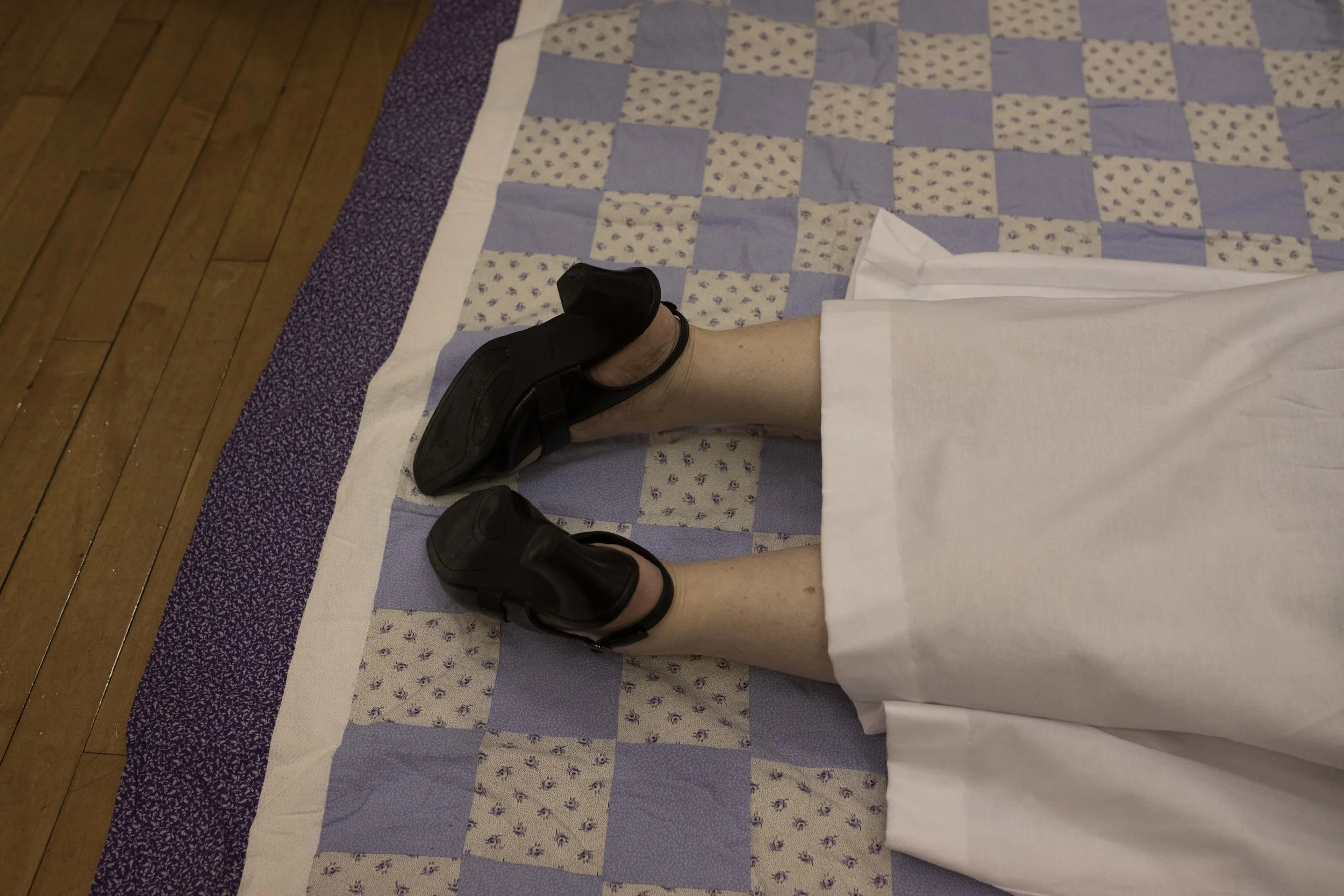
Julie Frances Corron’s ordination as a Roman Catholic Women Priest in the Unitarian Church in Albany, New York.
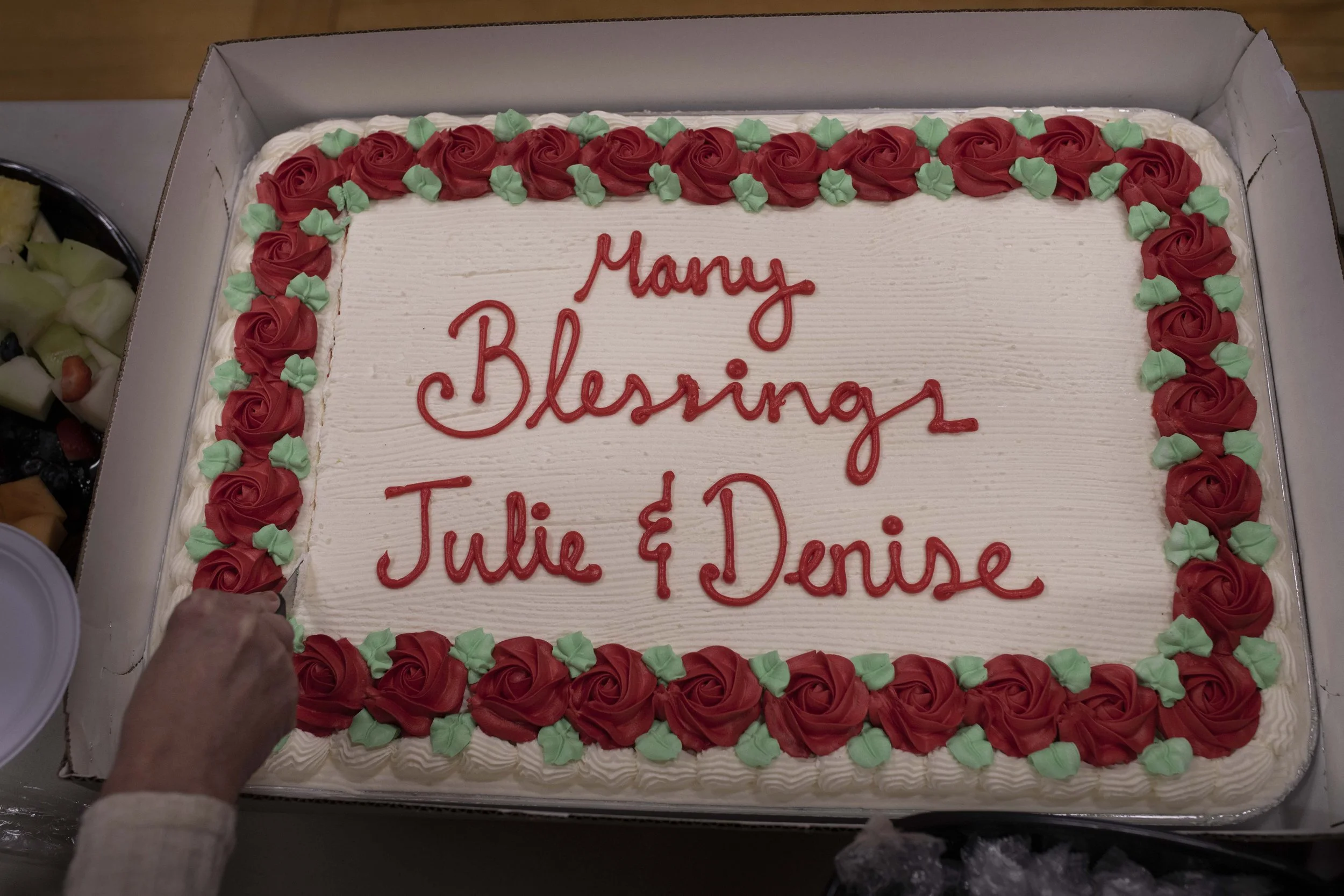
A cake to celebrate the ordination of Julie Frances Corron and Denise Hacker-Stoner.
«Let your women keep silence in the churches: for it is not permitted unto them to speak... And if they will learn any thing, let them ask their husbands at home»
1 Timothy 2:13-15
One night as St. Teresa of Avila prayed, she heard laughter everywhere and God said to her, “Enjoy me”. Perhaps, this is the divine message to the hierarchy about women priests!
Like bright rays of sunlight streaming through fluffy white clouds, God’s loving presence has illuminated my path from childhood days. When I reflect on my memories of an Irish childhood I realize that the Catholic Church is in my DNA. Bridget Mary Meehan, Bishop from Florida, USA.
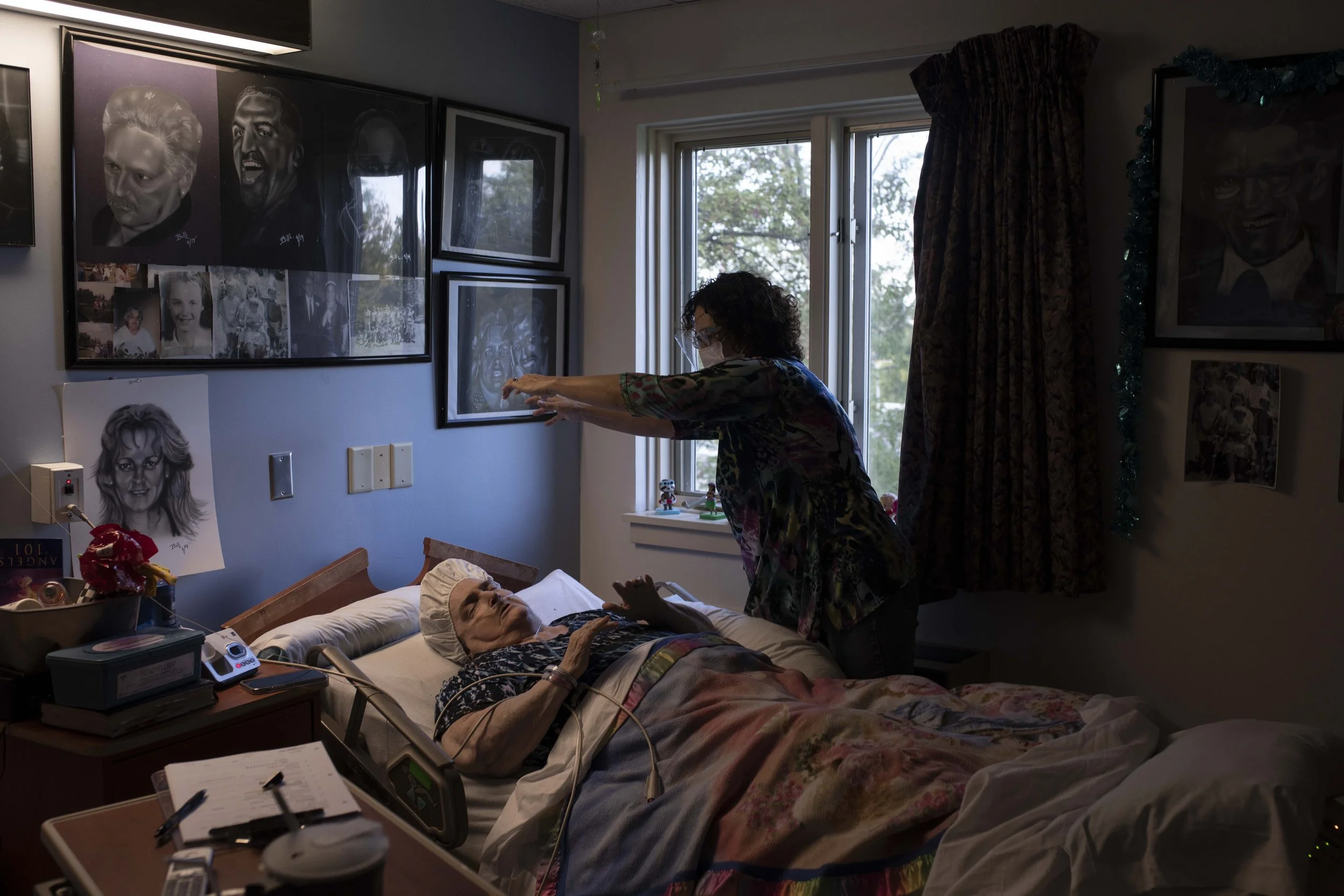
Donna Panero, a Roman Catholic Priest performing an alternative healing therapy in the Wilkinson Residential Care Facility in Amsterdam, New York, where she works as a Chaplin.
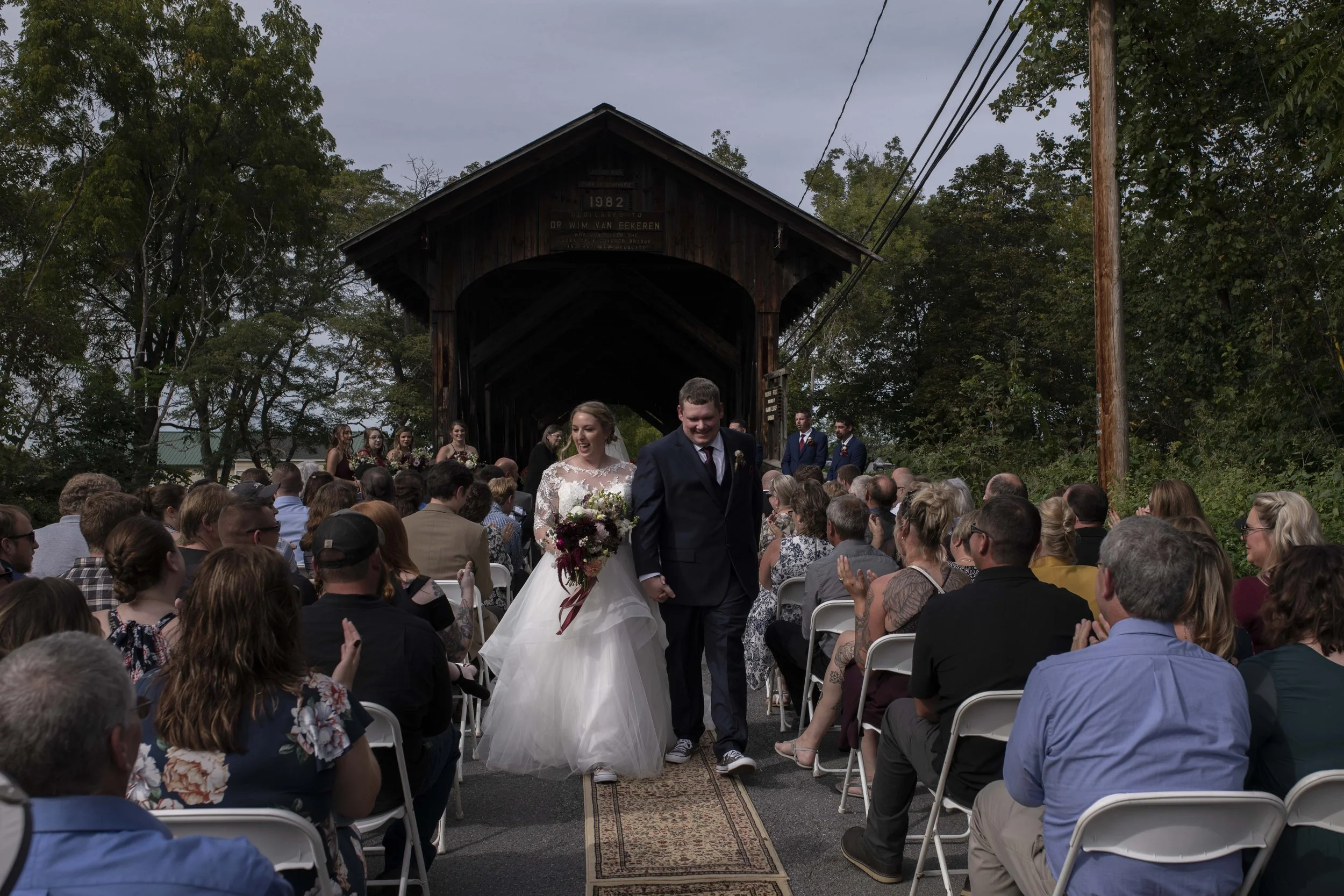
Jennifer Slater and Catlin Haemmerle after getting married by Julie Frances Corron during a non-religious ceremony.
«Feminist scholars have rightfully argued that today the Virgin Mary often operates as an unhealthy feminine ideal of obedience and self-sacrifice.
What I have discovered is that some early Christians described Jesus’s mother as a very different female role model for girls. These authors and artists did not portray Mary as submissive. They depicted her with an upright posture and a direct gaze. They described her as a liturgical leader in the early Jesus movement—a movement in which women were apostles and preached, healed, washed/sealed/baptized, led the prayers, and presided at the offering table.»
Mary and Early Christian Women, Hidden leadership, Ally Kateusz
When I was a child I learned that prayer was talking to God. I have since found myself unable to use words in sentences to pray. Connecting to images, concepts, music and the God voice inside describes my experience of prayer now.
Donna and Kim Panaro are a couple of women priests from Albany, New York.
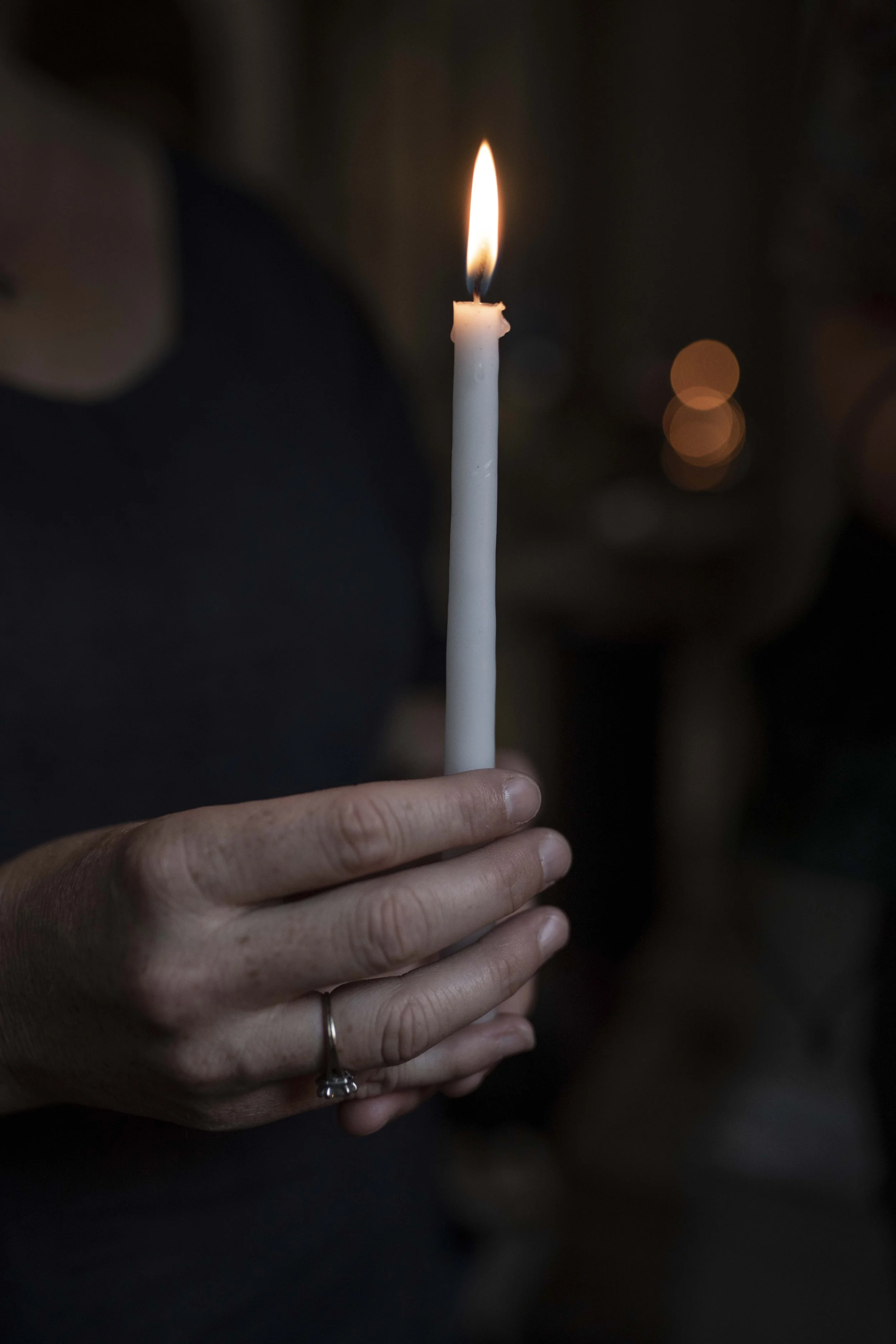
Click here if you’d like to go to the Annex from Chapters 5 and 6.